The government has declared a National State of Disaster to enable an intensive, co-ordinated response to the impact of floods that have affected Mpumalanga, Eastern Cape, Gauteng, KwaZulu-Natal, Limpopo, Northern Cape, and the North West.
According to the Presidency, the National Disaster Management Centre has, in terms of Section 23 of the Disaster Management Act, classified the impact of current, above-normal rainfall in various parts of the country–with Mpumalanga and the Eastern Cape as the most affected–as a national disaster.

READ | National State of Disaster expires today
The National Disaster Management Centre has received reports ranging from flooded homes, vehicles swept away by floodwaters, overflowing dams, sewerage facilities, loss of basic infrastructure, damage to roads, bridges and a Limpopo hospital.

The La Niña global weather phenomenon which occurs in the Pacific Ocean has brought these conditions on but affects on a country like South Africa with above-normal rainfall. Forecasts show this weather pattern will remain in this state during the early part of 2023. The presence of the La Niña event usually has its strongest impact on rainfall during the mid-summer months. With the continued rainfall, the country can expect above-normal rainfall and below-normal temperatures over the summer rainfall areas. These conditions demand the provision of temporary shelters, food and blankets to homeless families, individuals and the large-scale costly rehabilitation of infrastructure.
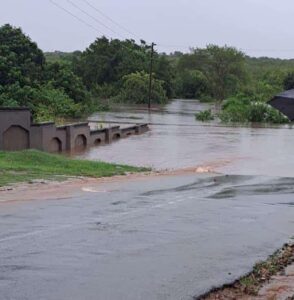
READ MORE | PHOTOS | Heavy rains flood Nkomazi region
“National entities, including the South African Police Service and the South African National Defence Force, may be required to play a role in the response to the disaster. The NDMC continues to monitor, co-ordinate response and recovery measures by the relevant organs of state and stakeholders. This further includes the dissemination of early warnings and advisories on weather forecasts by the South African Weather Service (SAWS).”