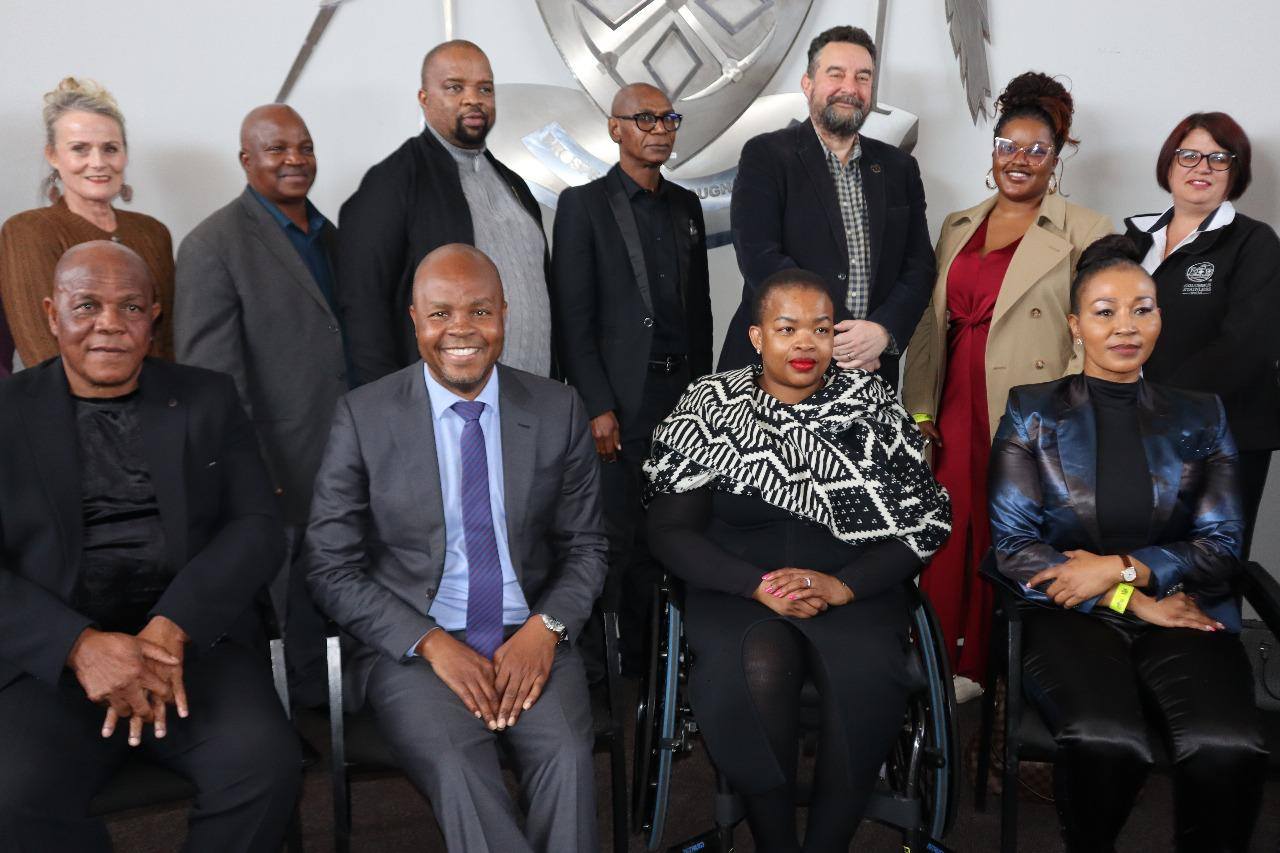
MIDDELBURG- Premier, Mandla Ndlovu launched a multi-stakeholder Mpumalanga Provincial Human Resource Development Council to empower the upcoming and the current workforce with appropriate skills that are required by the economy.
Speaking at the launch last Thursday, Ndlovu said the establishment of the structure marks the pivotal turning point in the ongoing efforts of the Mpumalanga Provincial Government to identify skills that would contribute to economic growth.
The Council comprises of 53 members who represent different sectors such as the organised business, organised labour, civil society as well as government. It will function as a platform for ongoing dialogue and consensus-building among stakeholders regarding all issues related to human resource development.
In his keynote address, Ndlovu highlighted the advantage of establishing this structure in the province is the fact that its the same as a central hub for the formulation and implementation of women’s self-development strategies.
READ | Ehlanzeni TVET College Signs MOU with Mpumalanga Provincial Legislature
“This will ensure that training and educational directly address the skills gaps that currently exist in our labour market.This approach will facilitate a more coherent response to to the demands of our local industries in giving competitors the information and deliberations that can serve the purpose of five areas of focus that we need to pay special attention to.”
The five areas of focus include the following:
- Strengthening the government and technical skills training
- Identifying impediments
- Provide Solutions
- Expand workplace-based learning
- Monitoring and evaluating the impact of HRT initiatives in the province
He added that promoting skill development in sectors will not only reduce unemployment rate but also stimulate inclusive economic growth and improve the overall standard of living for communities. He also urged council members within the administration to lead with integrity, transparency, agency and ensure that skills development budgets are better spent.
“If we focus on gender equality, youth empowerment and support for individuals with disabilities, we can build a more equitable workforce that reflects the diversity of our province. We are now all better placed to take forward the agenda of skills development, given the challenges facing the youth of the province and the country.”
“We must make it an urgent task that sitters and training institutions are integrated into local and district planning by ensuring that the youth have a clear pathway from education to employment, and in that way partners come to the party with commitment in training and absorption,” he concluded.